

Winter Safety Practices on Construction Sites

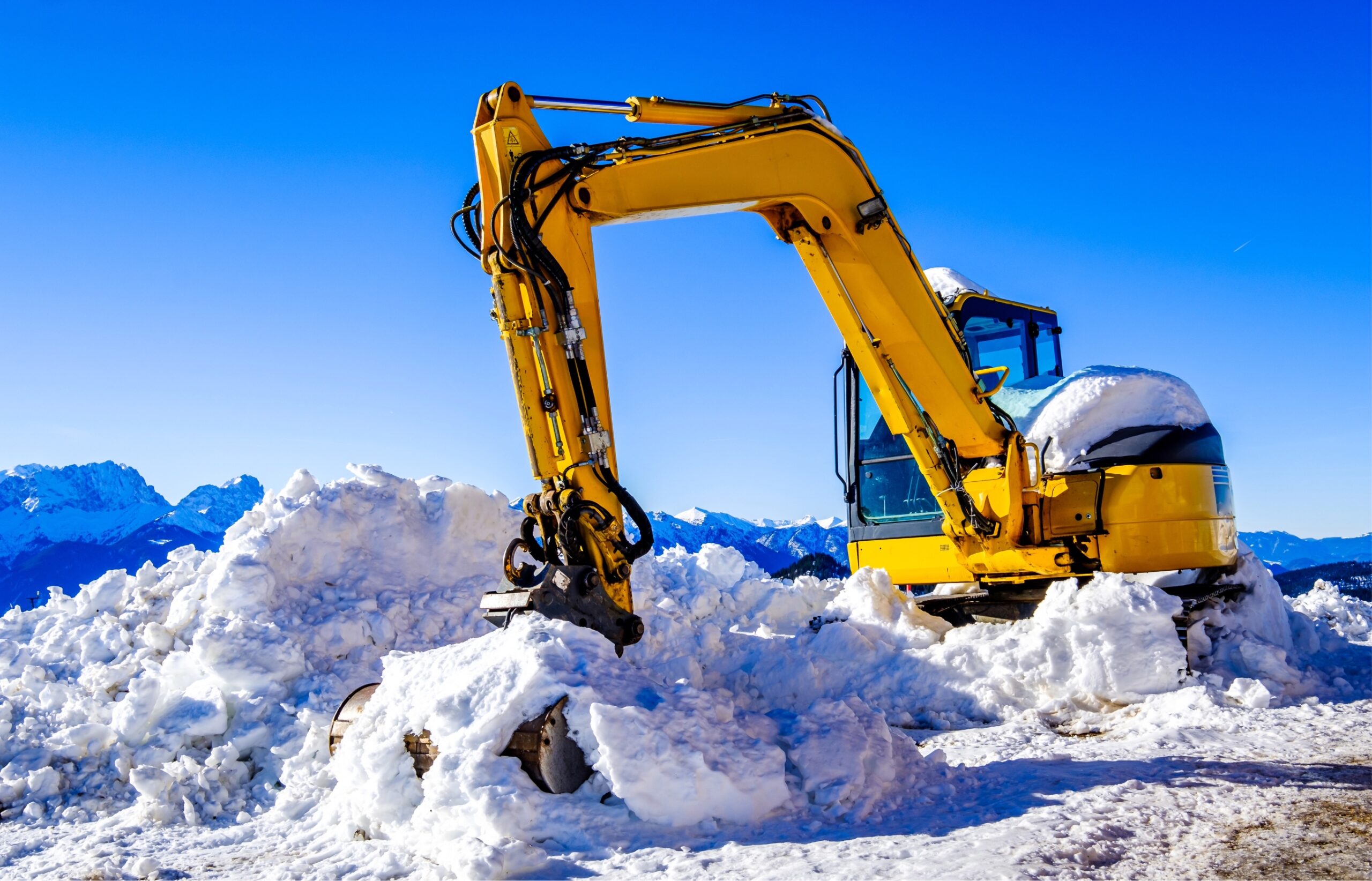
excavator in snow

Winter brings a unique set of hazards to construction sites, from icy surfaces to reduced visibility and freezing temperatures. At Partner Specialty Rentals, we understand the importance of keeping crews safe and productive throughout the colder months. Here are key winter safety practices every construction team should follow.

1. Prepare the Site for Cold Weather

Proper site preparation can drastically reduce winter-related hazards.
  • Clear snow and ice from walkways, scaffolding, ladders, and work zones.
  • Use de-icing materials like salt or sand to increase traction.
  • Improve lighting, as shorter days can limit visibility and increase risks.
  • Identify hidden hazards, since snow can conceal debris, uneven ground, or equipment.

2. Protect Workers From Cold Stress

Crews need the right gear and knowledge to stay warm and safe.
  • Dress in layers including moisture-wicking base layers, insulation, and waterproof outerwear.
  • Wear insulated gloves, hats, and footwear to prevent frostbite.
  • Recognize symptoms of cold stress, such as shivering, numbness, or confusion, and know when to seek help.

3. Provide Warm Break Areas

Frequent warm-up breaks help prevent cold-related illnesses and fatigue.
  • Set up heated break spaces such as trailers or warming tents.
  • Encourage regular warm-up breaks and access to warm drinks.
  • Remind workers to stay hydrated, even in cold weather.

4. Inspect and Maintain Equipment

Cold temperatures can affect equipment performance and safety.
  • Check equipment daily—batteries, brakes, fluid levels, and lights.
  • Keep roads and pathways plowed and treated to prevent skidding.
  • Train operators on safe winter driving and machinery use.

5. Adjust Schedules Around Weather

Smart planning can help avoid unnecessary risks.
  • Monitor weather forecasts closely to anticipate storms, freezing rain, or extreme cold.
  • Shift high-risk tasks to warmer periods or daylight hours.
  • Pause or reschedule work when conditions become unsafe.

6. Maintain Clear Communication

A strong safety culture is key during the winter months.
  • Hold regular safety meetings focused on winter hazards.
  • Encourage reporting of unsafe conditions or equipment issues.
  • Review emergency procedures for severe weather.

Committed to Safety All Season Long

Winter doesn’t have to slow down your construction projects. By implementing these safety practices, your team can stay protected and productive no matter the temperature. Partner Specialty Rentals is here to support you with dependable equipment and solutions designed to perform in any season.

Related Posts